
Every Breath Underground
Starts Here
Precision-engineered airflow networks for mines operating 2 km below surface — where a single dead zone can end a shift permanently.
2,140 m
Max Operating Depth
50°C
Rock Face Temp Handled
0
Certified Dead Zones
99.97%
System Uptime SLA
Underground, the margin between operational and catastrophic is measured in airflow.

Operational mine, −1,800 m — Shaft primary ventilation system active
The Crew Underground
At two kilometers below surface, a crew of 40 depends entirely on the ventilation network above them. Rock face temperatures hit 50°C. Without engineered airflow, wet bulb temperatures become lethal within 90 minutes.
40 lives
per active crew
The Cost of a Dead Zone
A ventilation dead zone is not an inconvenience. It is a regulatory violation, a production shutdown, and in the worst case, an irreversible event. The National Mine Safety data records 23% of fatalities as ventilation-related.
23%
of fatalities are ventilation-related
The 4 A.M. Report
Mine ventilation officers don't sleep through audits. They need data that is continuous, traceable, and compliant — not assembled manually at shift change. Regulators require records going back 12 months. Your system should produce them automatically.
12 months
of audit-ready data, always
We don't install ventilation.
We engineer certainty.
Shaft was founded by mine ventilation engineers who had seen what happens when airflow is treated as an afterthought. Our doctrine is simple: model first, install second, monitor always.
Zero Dead Zone Standard
Every system Shaft engineers is modeled for complete airflow coverage before a single fan is installed. We use CFD simulation at 1:1 mine geometry — not approximations.
Continuous Monitoring Doctrine
Airflow data is logged at 10-second intervals across every monitored zone. Anomalies trigger automated alerts to the ventilation officer's dashboard within 4 seconds.
Energy-Airflow Balance Protocol
Primary fans account for up to 40% of mine energy costs. Our variable-speed drive integration and demand-responsive control reduces energy draw by 18–31% without compromising flow.
Core Capabilities
Built for the conditions
that break other systems.
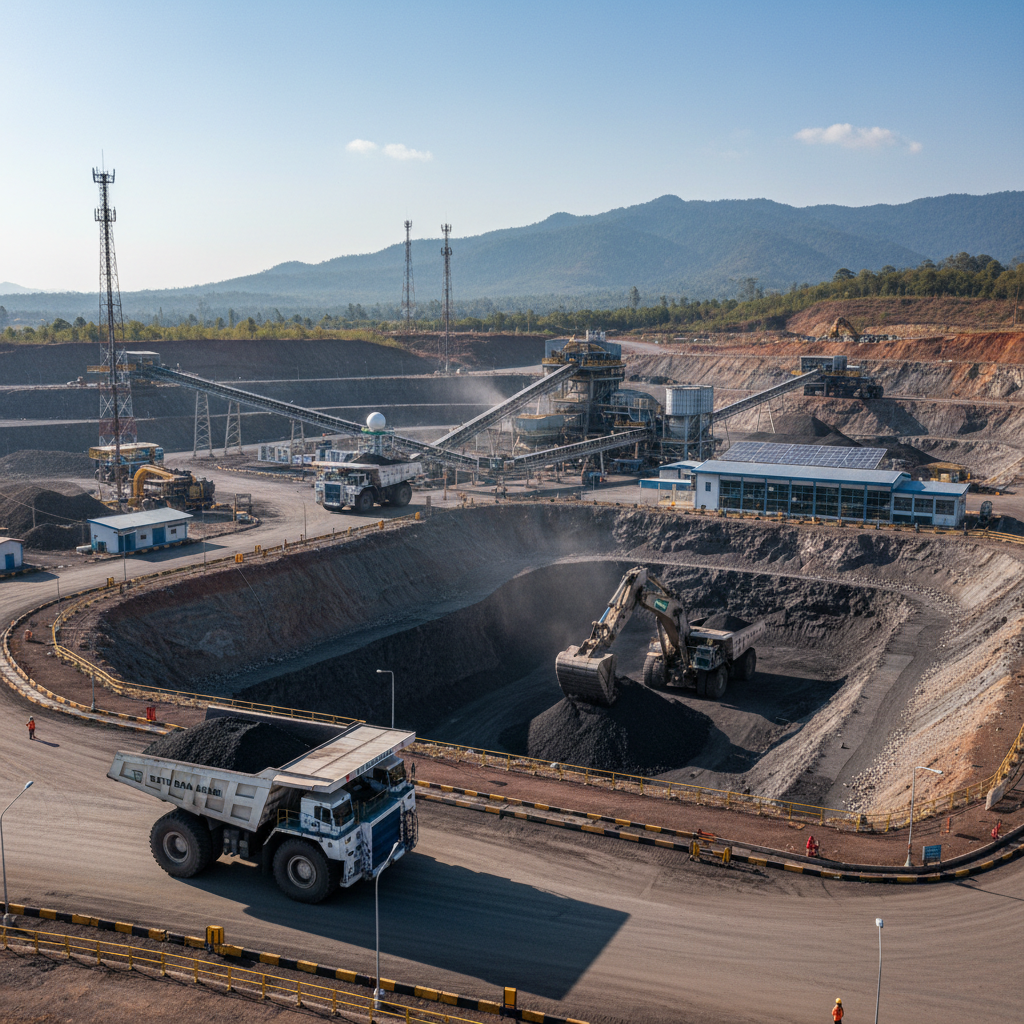
Axial Flow Primary Fan Array
Main circuit airflow for primary production levels
Axial Flow Primary Fan Array
Main circuit airflow for primary production levels
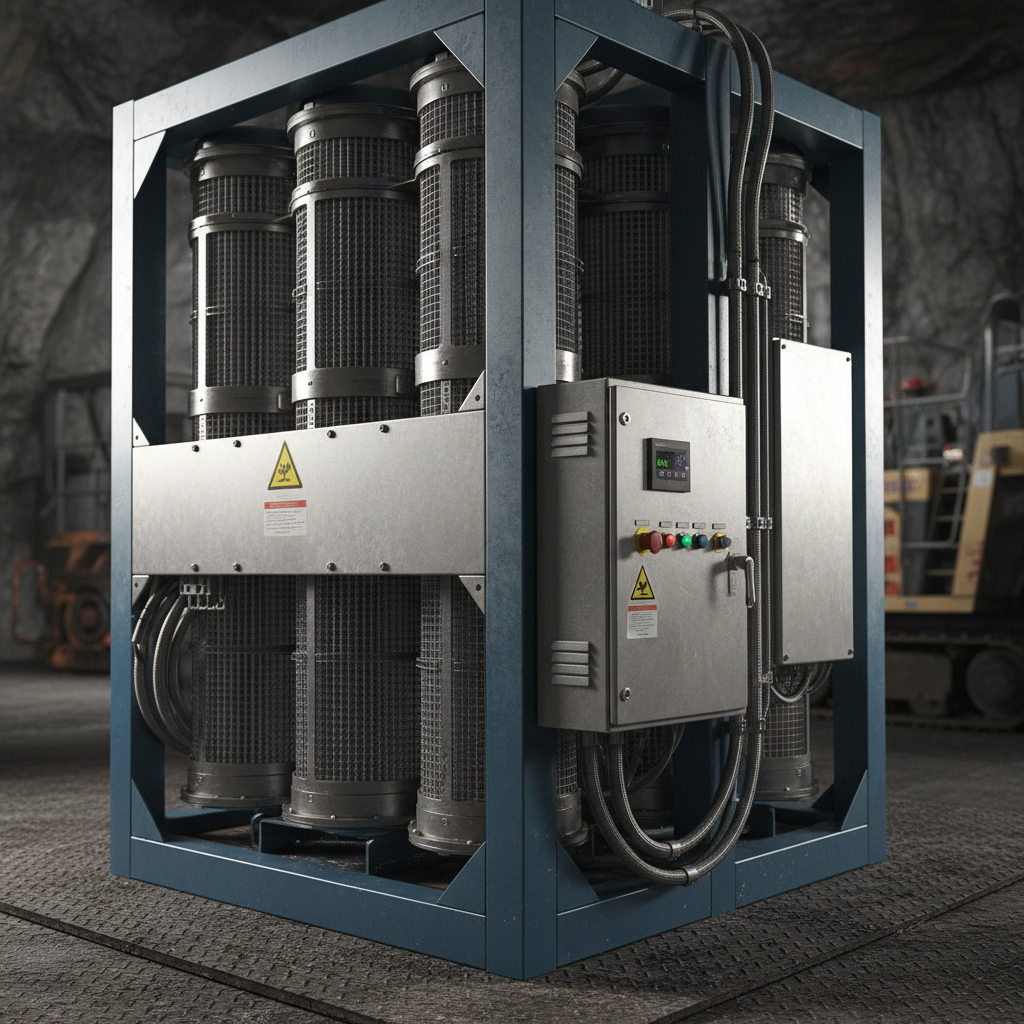
Booster Fan Modules
Secondary circuit coverage for active development headings
Booster Fan Modules
Secondary circuit coverage for active development headings
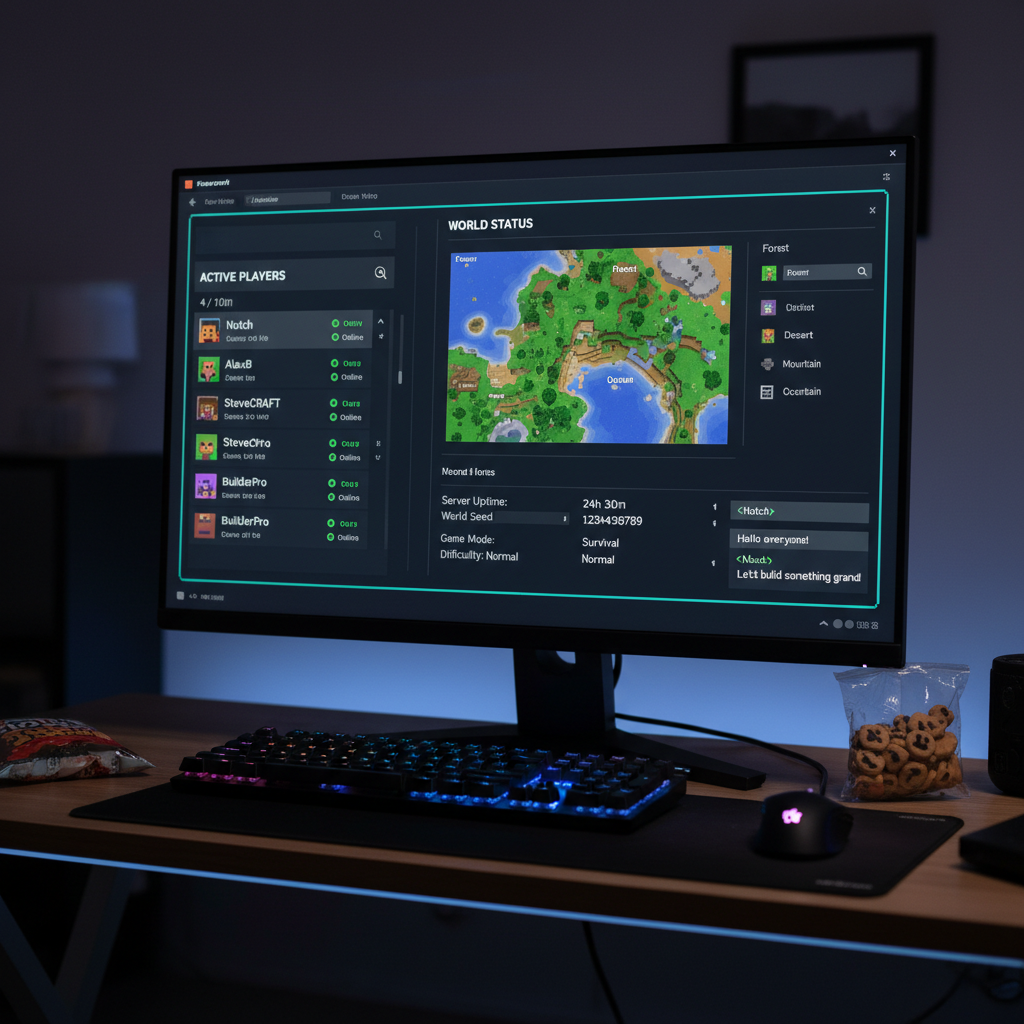
VentTrack™ Real-Time System
Continuous airflow telemetry across every monitored zone
VentTrack™ Real-Time System
Continuous airflow telemetry across every monitored zone
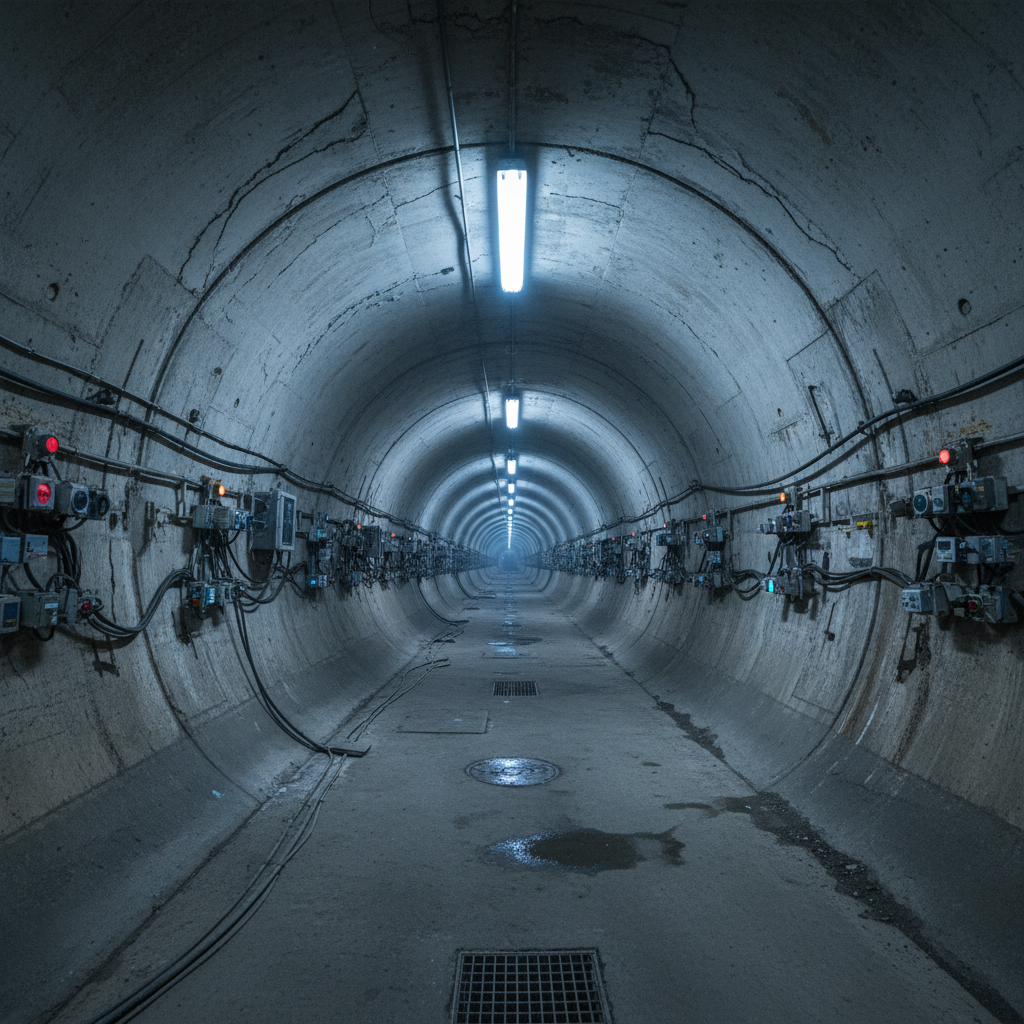
Gas Detection Integration
CH₄, CO, NO₂, and O₂ monitoring linked to airflow control
Gas Detection Integration
CH₄, CO, NO₂, and O₂ monitoring linked to airflow control
The numbers are in.
The mines are still running.
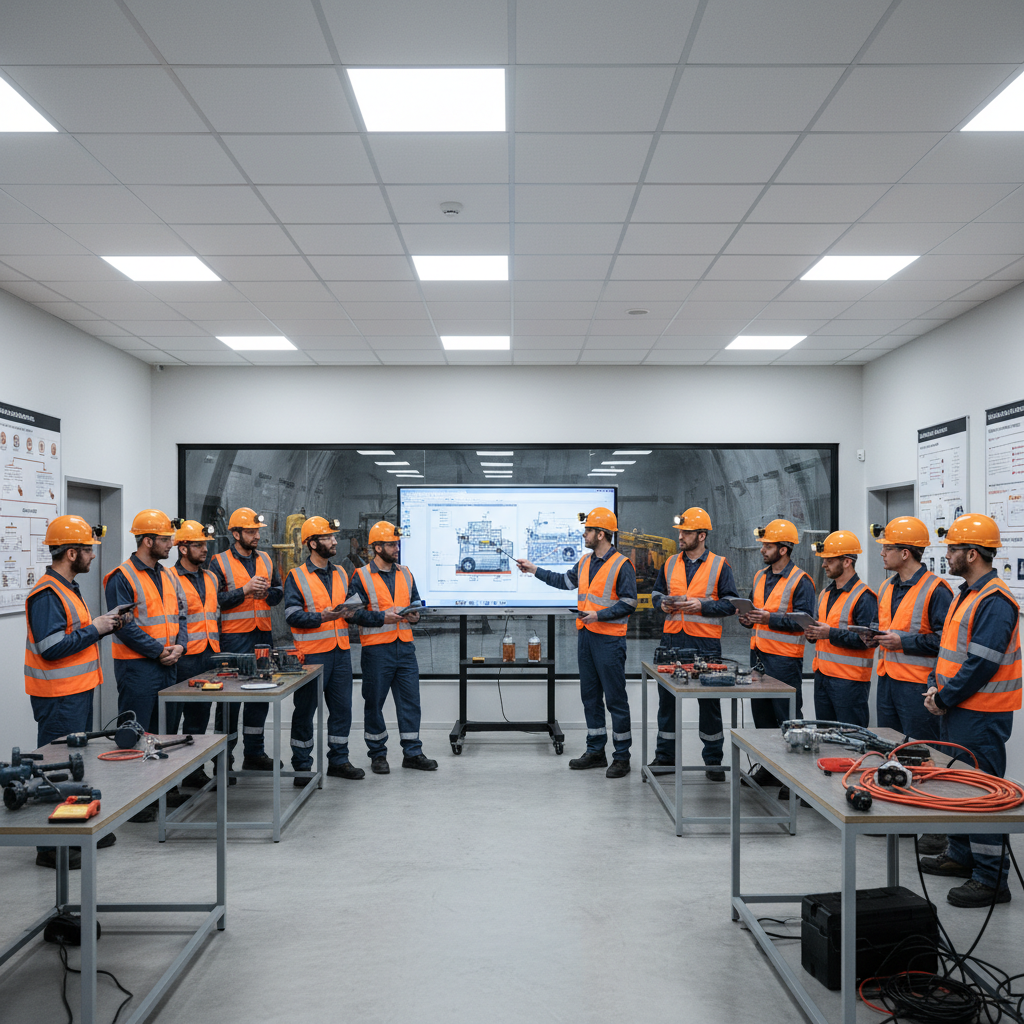
Kalgoorlie Deep Operations
Western Australia
Challenge
Primary fan failure risk on Level 14 — heat stress events rising to 3 per month.
Shaft installed a redundant axial array with VSD integration. Heat stress events: zero in 18 months post-installation.
0
Heat stress events
−24%
Energy reduction
18 mo
Zero-incident run
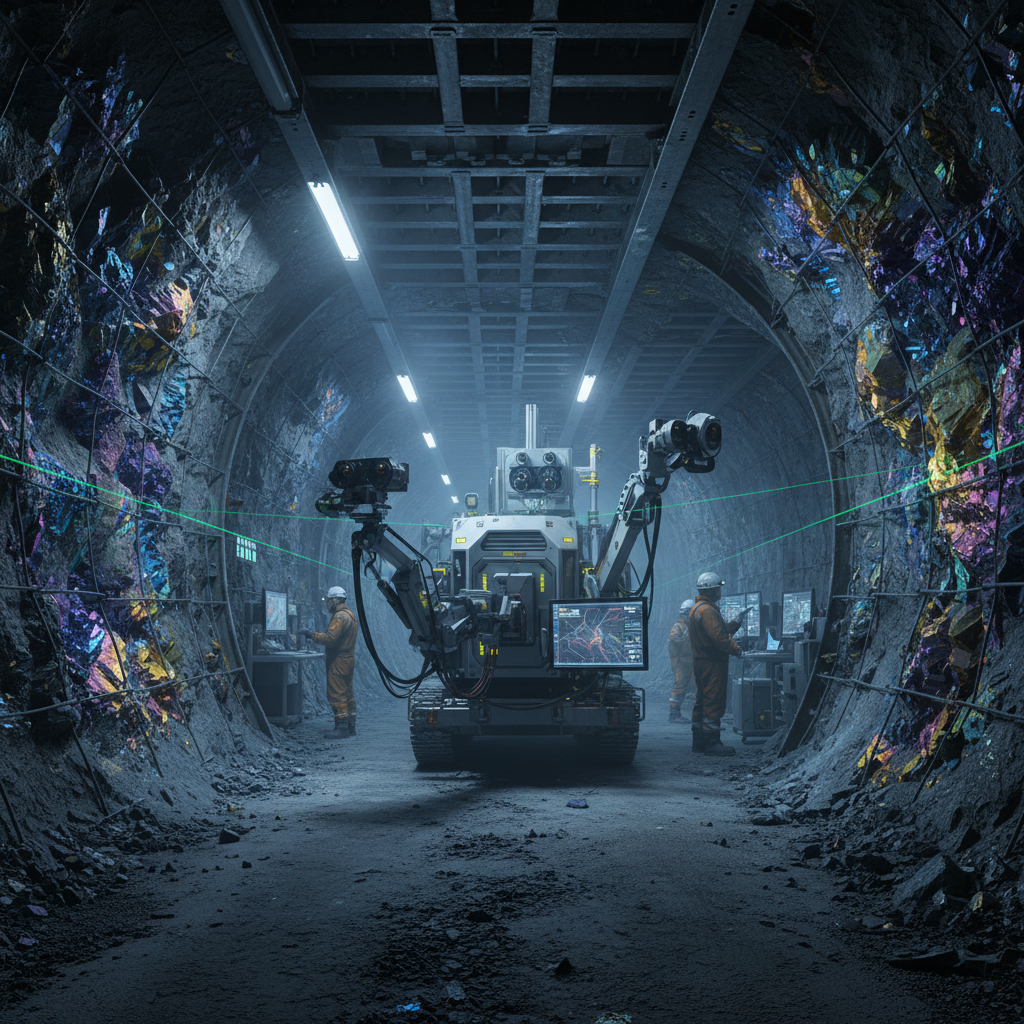
Sudbury Nickel Complex
Ontario, Canada
Challenge
Compliance reporting required 12 months of continuous ventilation data. Manual logging had 14% data gaps.
VentTrack™ deployment closed all data gaps. First regulatory audit post-deployment: zero non-conformances.
0
Audit non-conformances
100%
Data continuity
512
Sensor nodes deployed
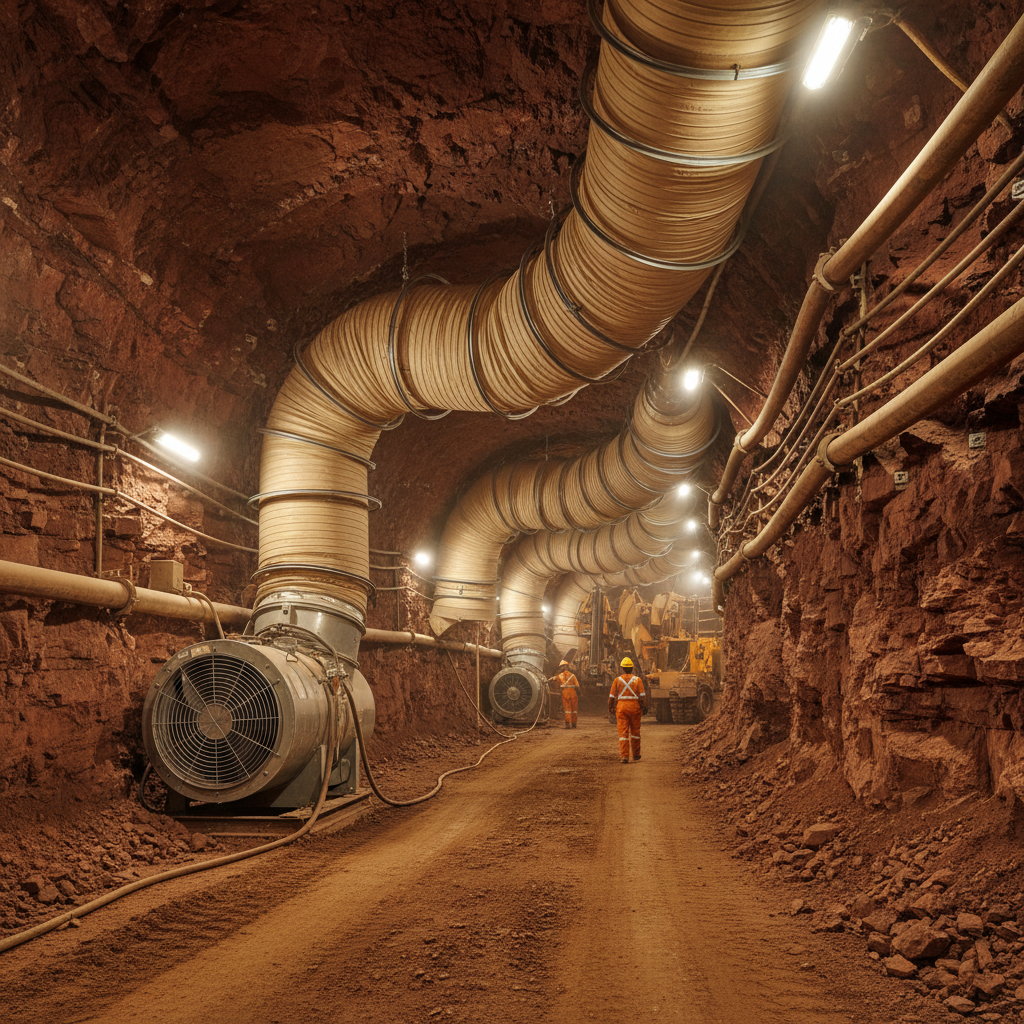
Pilbara Iron Ore Development
Western Australia
Challenge
New development heading expanding at 400 m/month. Auxiliary ventilation couldn't keep pace.
Modular booster fan system deployed ahead of heading advance. Zero ventilation delays across 22-month development campaign.
22 mo
Zero ventilation delays
400 m
Monthly advance covered
6
Booster modules deployed
Compliance-Ready Documentation
Every Shaft deployment ships with full AS/NZS 2865, ISO 45001, and regional regulatory compliance packages.
Talk to a Ventilation Engineer
Whether you're writing a compliance report at 4 a.m. or planning a new mine level, our engineers are available to review your ventilation requirements and recommend a system that eliminates dead zones.